
 Knowledge Panel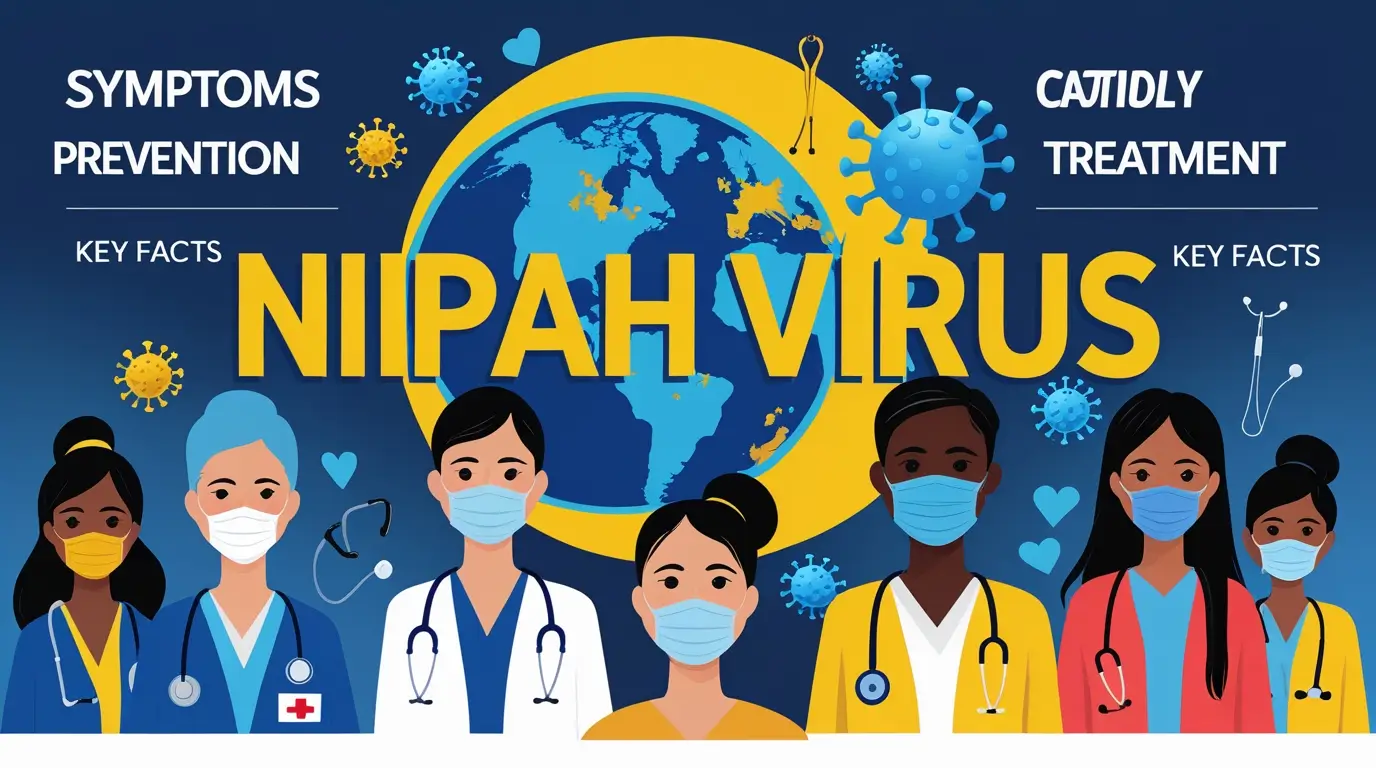
Introduction
Nipah virus (NiV) is a zoonotic pathogen that poses a significant threat to public health due to its high fatality rate, lack of specific treatments, and potential to cause outbreaks. First identified in 1999 during an outbreak among pig farmers in Malaysia and Singapore, the virus has since caused periodic outbreaks in South and Southeast Asia. This article provides a factually correct, comprehensive overview of Nipah virus, including its transmission, signs, management guidelines, and prevention strategies.
1. Factual Overview of Nipah Virus
What is Nipah Virus?
Nipah virus is a member of the Paramyxoviridae family, genus Henipavirus. It is an RNA virus known for causing severe disease in both animals and humans.
Natural Host:
Fruit bats (flying foxes) of the Pteropus genus are the natural reservoir hosts. They carry the virus without showing symptoms, shedding it in their urine, saliva, feces, and birthing fluids.
Transmission to Humans:
- Direct contact with infected bats or their bodily fluids.
- Consumption of raw date palm sap contaminated by bat excretions.
- Close contact with infected domestic animals (especially pigs, which act as intermediate hosts).
- Human-to-human transmission through close contact with infected persons’ respiratory droplets, saliva, or other bodily fluids.
Geographic Distribution:
Outbreaks have been reported in Malaysia, Singapore, Bangladesh, India (notably West Bengal and Kerala), and the Philippines. Bangladesh and India have seen recurrent outbreaks, often linked to date palm sap consumption.
Incubation Period:
Typically ranges from 4 to 14 days, though periods as long as 45 days have been reported.
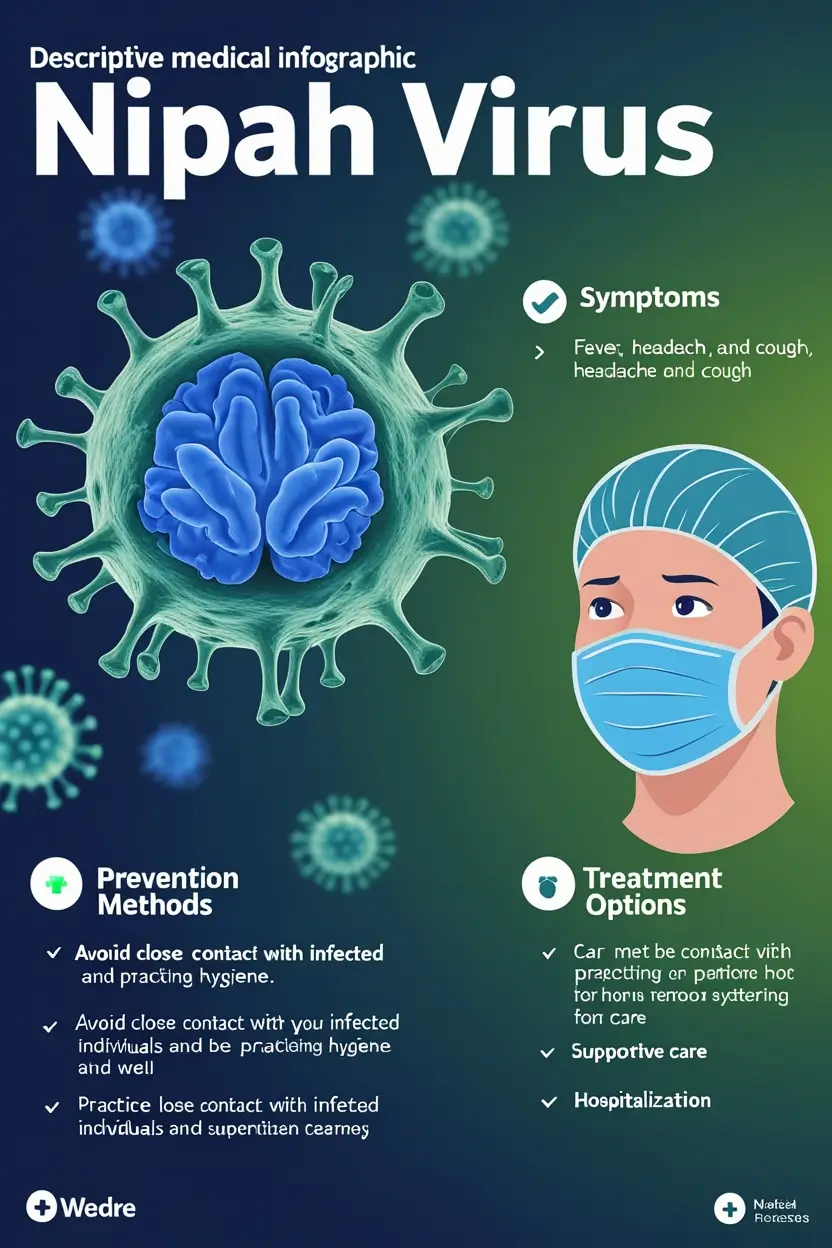
2. Signs and Symptoms
Nipah virus infection can range from asymptomatic (mild or no symptoms) to acute respiratory infection and fatal encephalitis.
Early Symptoms (Initial Phase):
- Fever
- Headache
- Muscle pain (myalgia)
- Vomiting
- Sore throat
Severe Symptoms (May Follow):
- Dizziness
- Drowsiness
- Altered consciousness
- Acute encephalitis (brain swelling)
- Seizures
- Atypical pneumonia
- Acute respiratory distress
Late-Stage Complications:
- Coma within 24–48 hours after neurological symptoms appear.
- Persistent convulsions.
- Personality changes.
- Residual neurological deficits (in survivors), such as seizure disorders or personality changes.
Fatality Rate:
Estimated at 40% to 75%, varying by outbreak and healthcare capacity.
3. Dos and Don’ts
If You Suspect Infection or Are in an Outbreak Area:
DO:
- Seek immediate medical help if you develop fever with headache, respiratory, or neurological symptoms.
- Isolate yourself from others to prevent potential spread.
- Inform healthcare workers about any possible exposure (contact with bats, sick animals, or infected people).
- Practice strict respiratory hygiene: Cover mouth and nose when coughing/sneezing; use masks.
- Stay hydrated and manage fever with medical guidance.
DON’T:
- Do not ignore early symptoms—early supportive care improves survival.
- Avoid close contact with bats, pigs, or animals that may be infected.
- Do not consume raw date palm sap or fruits possibly contaminated by bats.
- Avoid contact with bodily fluids of infected persons.
- Do not handle dead bats or sick animals without protective gear.
For Caregivers and Healthcare Workers:
DO:
- Use personal protective equipment (PPE)—gloves, gowns, masks, goggles.
- Practice hand hygiene frequently with soap and water or alcohol-based sanitizer.
- Follow infection control protocols and isolate suspected cases.
- Monitor for symptoms if exposed.
DON’T:
- Do not reuse PPE or compromise on barrier methods.
- Avoid unprotected exposure to patient secretions.
4. Cure and Treatment
As of now, there is no specific antiviral drug or vaccine approved for Nipah virus infection in humans. Treatment is supportive and focused on managing complications.
Medical Management Includes:
- Hospitalization and intensive supportive care.
- Symptom relief: Fever reducers, anti-emetics for vomiting.
- Neurological support: Management of seizures, brain swelling.
- Respiratory support: Oxygen therapy, mechanical ventilation if needed.
- Hydration and electrolyte balance.
Experimental Therapies (Under Investigation):
- Monoclonal antibodies (e.g., m102.4) have been used under compassionate use protocols.
- Antiviral drugs like Ribavirin have been tried, but evidence of efficacy is limited.
- Remdesivir has shown some promise in animal studies.
Post-Recovery:
Survivors may need long-term rehabilitation for neurological sequelae. Follow-up care is essential.
5. Prevention Strategies
Prevention focuses on reducing exposure and interrupting transmission.
A. Personal and Community Measures:
- Avoid consumption of raw date palm sap and fruits with bat bites.
- Wash, peel, and/or cook fruits thoroughly before eating.
- Use physical barriers (e.g., bamboo skirts) to prevent bats from accessing sap collection pots.
- Avoid contact with bats and bat-infested areas.
- Practice handwashing with soap after outdoor activities.
B. Animal-related Precautions:
- Separate livestock from fruit bat habitats.
- Use protective equipment when handling sick animals or slaughtering pigs.
- Quarantine and cull infected animals during outbreaks (as per veterinary guidelines).
C. Infection Control in Healthcare Settings:
- Isolate patients and use contact/droplet precautions.
- Sterilize equipment and disinfect surfaces.
- Safe burial practices for deceased patients.
D. Public Health Actions:
- Surveillance: Early detection in animals and humans.
- Rapid response teams for outbreak investigation and containment.
- Contact tracing and monitoring of exposed individuals for 21 days.
- Public awareness campaigns on transmission risks and preventive behaviors.
E. Research for Future Prevention:
- Vaccine development (several candidates in preclinical/early clinical trials).
- Improved diagnostics for early detection.
Conclusion
Nipah virus remains a serious public health threat due to its high mortality and potential for human-to-human spread. While no specific cure exists, early supportive treatment can save lives. Prevention hinges on community awareness, avoiding exposure to bats and contaminated foods, and robust infection control during outbreaks. Global collaboration in surveillance, research, and vaccine development is crucial to mitigate future outbreaks and move toward effective control of this deadly pathogen.
Sources: World Health Organization (WHO), Centers for Disease Control and Prevention (CDC), peer-reviewed journals, and outbreak reports.
Note: Guidelines may evolve; refer to local health authorities for the latest advice during outbreaks.